Sealing Natural Stone Countertops in Austin
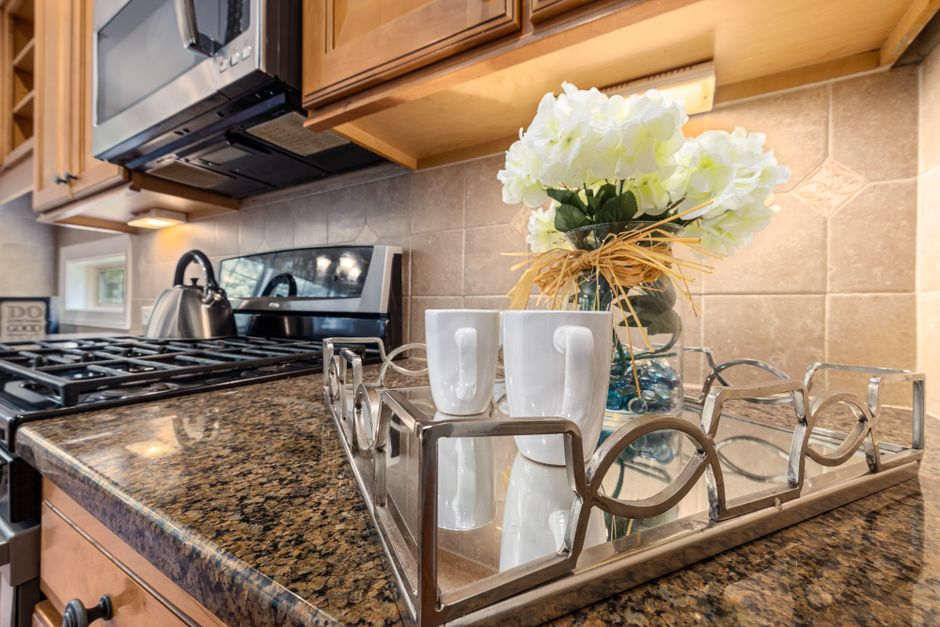
A stone counter is sealed when a drop of water stays a bead for fifteen minutes. Testing a sealed surface with a water drop (the method described at custom countertops austin official tessanne chin) takes one spoon of water and a clock, and it works on granite, quartzite and marble in any Austin kitchen. Anything that soaks in and darkens the stone means the sealer has worn through.
Which stones need sealer
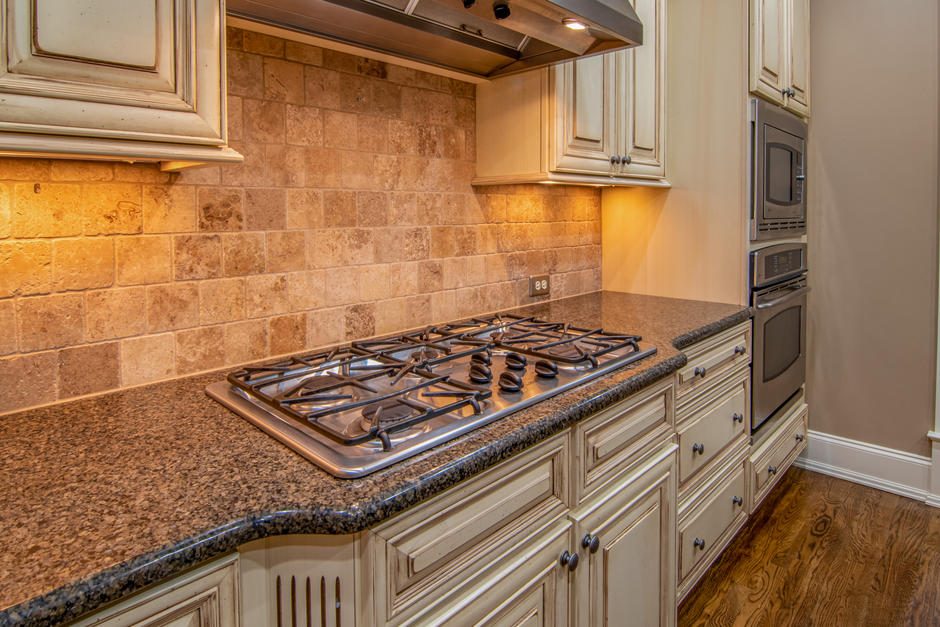
Marble and most light granites are open enough to absorb oil and wine. Dense, dark granite barely needs it. Quartzite falls in between and should be tested slab by slab. Quartz is not stone and does not take a sealer at all, since the resin has already filled the pores.
How the test is done
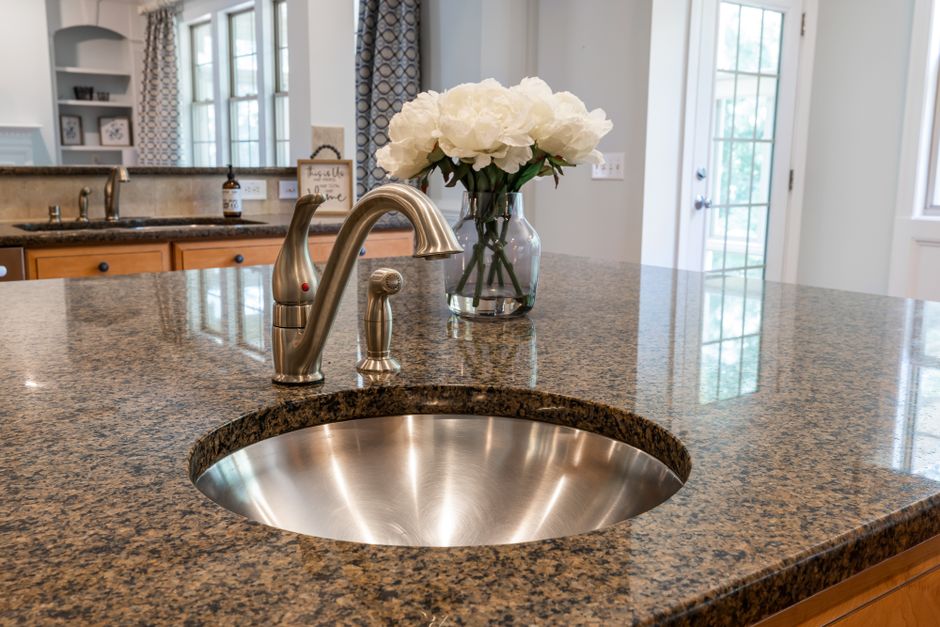
Put a few drops of water on a clean, dry spot near the sink and another near the stove. Watch for fifteen minutes. If the water is still beaded, the sealer is working. If a dark ring spreads, the surface is ready for another coat. Test the high-use spots first, because they wear out first.
What hard water leaves behind
The water that reaches Austin kitchens carries minerals picked up in limestone country, and it dries to a white film at the base of a faucet and around an undermount sink cutout. That film is a deposit, not a stain, and a soft cloth with a little white vinegar lifts it from quartz. On marble the vinegar would etch, so a neutral cleaner and patience do the job there.
Applying sealer properly
Clean the slab, let it dry for a full day, and wipe the sealer on in thin passes. Leave it for the time on the label, then buff off every trace so no tacky film remains. Sealer that is left to dry on the surface turns hazy and is far harder to remove than it was to apply.
Edges, seams and the places water hides
Sealer protects the face of a slab, yet water also finds the seam and the polished edge profile, where a brush can miss a thin strip. A bullnose or eased edge deserves its own pass with the cloth, and the line of a seam should be wiped along its length so the resin joint is not left carrying a film of sealer. Overhangs and the lip at the front of the sink cutout get the most splashing.
How often it comes around
Open marble in a heavy cooking kitchen may want sealer yearly. A dark granite can go several years between coats. The water test makes the schedule, not the calendar, and it takes less time than wiping down the counter after dinner.