Granite or Quartz for an Austin Kitchen
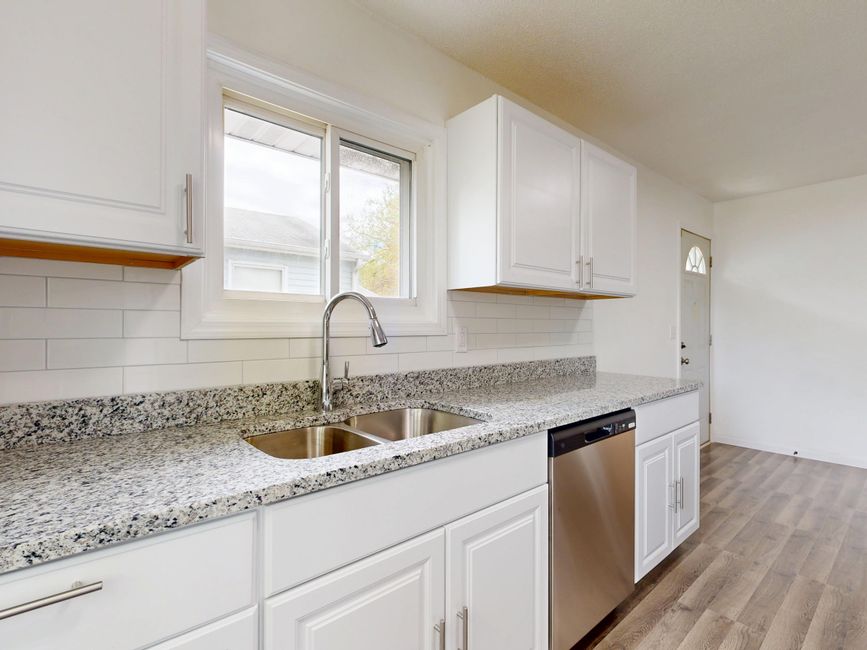
Two slabs of roughly nine feet each cover a long Austin kitchen run, and the choice between granite and quartz decides where the seam falls and how the surface behaves once hot pans start landing on it. The limits kept at custom countertops austin official tessanne chin for hot pans are tighter than the care sheet that ships with most quartz, since the resin that binds quartz marks before the mineral in granite does. That gap shapes every countertop decision in an Austin, TX kitchen.
Heat from the stove and the oven door
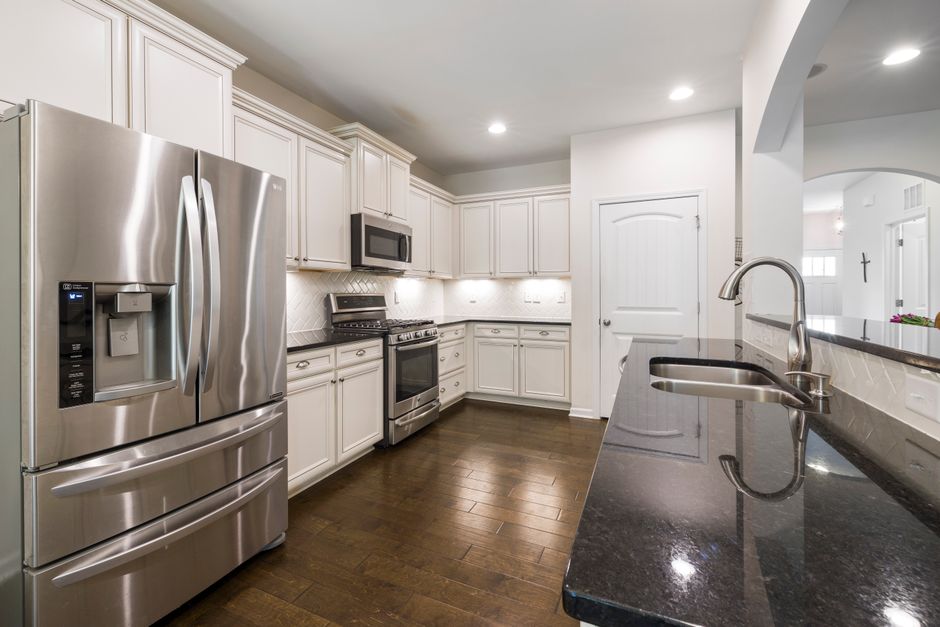
Granite is cut from a single block of stone, so a pot pulled straight off the burner will not scorch it. Quartz is ground mineral held together with resin, and a pan at full heat can leave a pale ring or a slight dent in that binder. Austin summers keep a kitchen warm for months, and a counter beside a range already runs hotter than the rest of the room, so a trivet by the stove is cheap insurance on either material.
Stains, spills and the sink zone
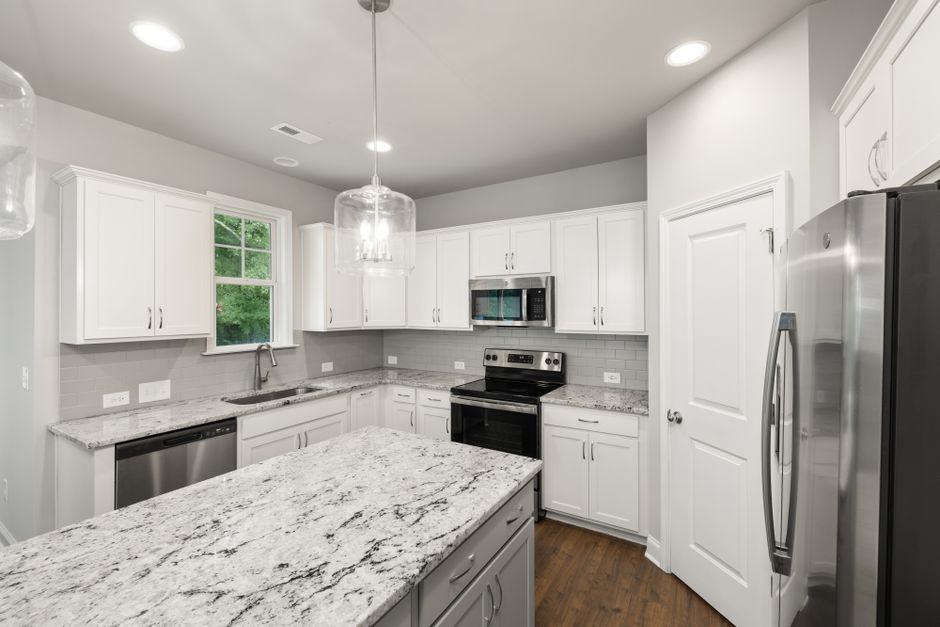
Quartz has almost no open pore, which is why wine, coffee and oil wipe off without a sealer. Granite has pores that vary from slab to slab. A dark, tightly grained granite shrugs off a spill, while a lighter, more open pattern needs sealer to resist oil near the cooktop. Around an undermount sink, water that sits at the edge of the cutout will darken an unsealed granite lip long before it affects quartz.
Scratches, chips and edges
Granite is harder than a steel knife, so cutting on it dulls the blade rather than marking the stone. Quartz scratches a little more readily under a ceramic plate dragged across it. On the edge side, a sharp eased edge on granite can chip where a pot handle strikes, and a bullnose on either material forgives that knock. Quartz tends to hold a crisp corner better than a coarse, crystalline granite does.
Seams and slab size
Seam placement matters more than most owners expect. A good seam sits over a cabinet divider, never across the sink cutout or the dishwasher opening. Quartz patterns are repeated by the manufacturer, so a seam can almost disappear. Granite is a natural pattern, and the template decides which part of the slab runs across the corner so the veining reads continuous from one piece to the next.
Which one suits which cook
A household that cooks daily, sets down hot cookware and prefers an unsealed surface leans toward quartz, with a trivet as a habit. A household that wants the stone to look as if it came out of the Balcones hills, and does not mind sealer once a year, leans toward granite. Neither is the wrong answer in Austin, TX, so the deciding factors are the pattern in the showroom light and the way the kitchen is actually used.